

How pool water is checked, simple precautions for ears and eyes, and when to skip a lesson.
Parents of children who swim regularly usually ask about three things: the effect of chlorine on skin and hair, ear infections and red eyes. This article is not medical advice, and if your child has a specific condition you should talk to your doctor. But as a pool operator we want to share what we check and which simple precautions work at home.
How is pool water monitored?
In Turkey swimming pools are subject to the Regulation on Health Principles and Conditions for Swimming Pools and are inspected by Provincial Health Directorates. At Kulaçsu free chlorine and pH are measured every hour and written on the board at reception. All the water passes through the filters at regular intervals, and UV pre-disinfection reduces the amount of chlorine needed. Monthly microbiological tests are carried out by an independent laboratory and the results are published in the parent documents section of our website.
The strong “chlorine smell” in a pool hall is not a sign of well-kept water; it is a sign that sweat, urine and cosmetic residues in the water have combined with chlorine. That is why showering with soap and going to the toilet before a lesson is the most effective precaution for everyone’s health.
Red eyes
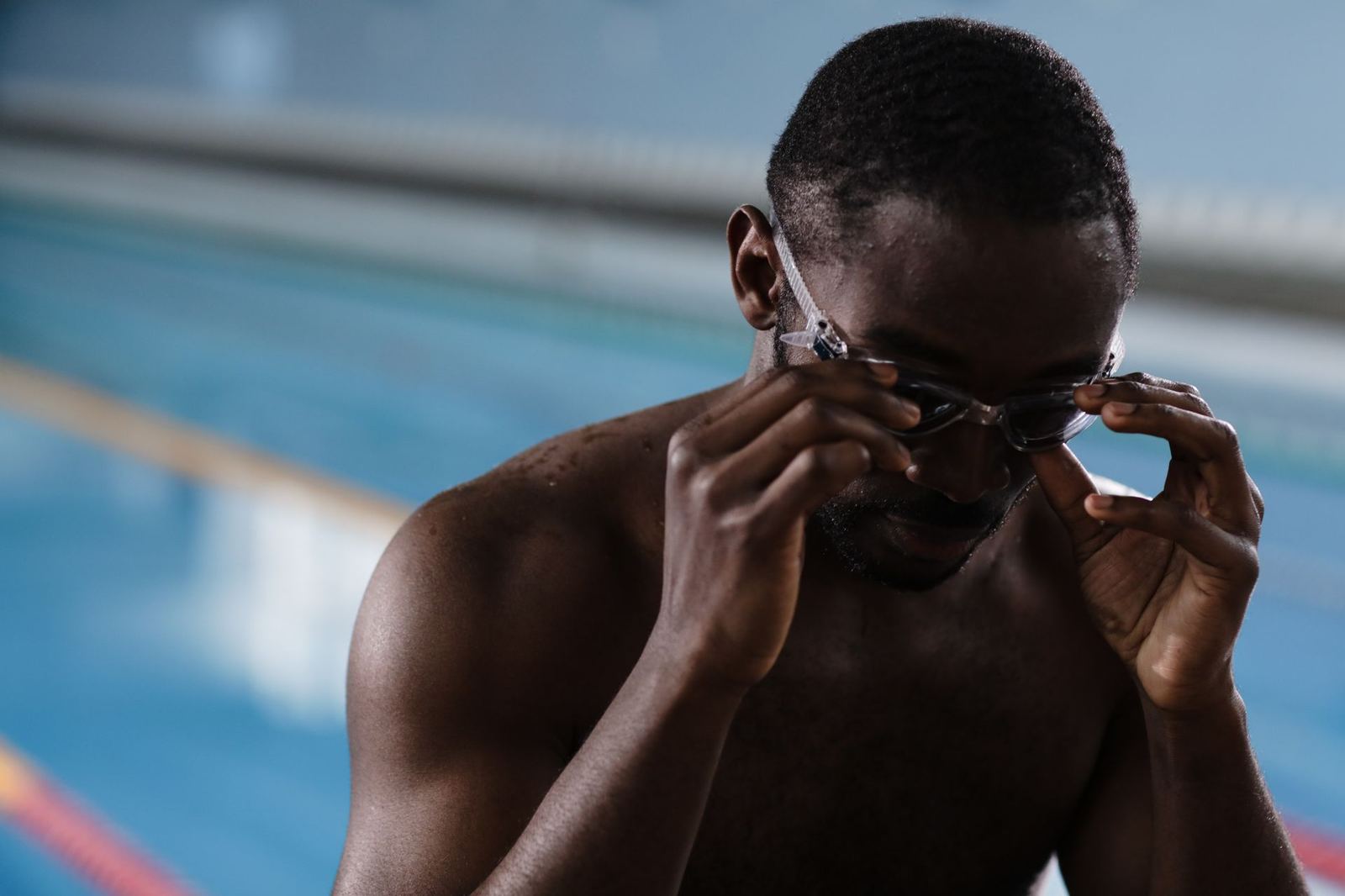
Short-lived redness is common in children who swim without goggles. A pair of well-fitting goggles that does not pinch the bridge of the nose largely prevents it. To stop goggles fogging, avoid touching the inner surface and rinse them in fresh water after the lesson, drying them in the shade. If the redness lasts or comes with discharge, we recommend pausing lessons and seeing a doctor in case of an eye infection.
Ears
The feeling of water trapped in the ear is common among swimmers. Tilting the head to let the water run out and gently drying the ear with a towel after the lesson is usually enough. Trying to dry the ear canal with a cotton bud can irritate the skin. Children with frequent ear problems can use silicone earplugs and a silicone cap that covers the ears, but pain, discharge or reduced hearing always call for a doctor.
Skin and hair
Regular swimmers may notice dry skin. A thorough lukewarm shower after the lesson and a moisturiser are usually enough. For children with long hair, a silicone cap largely protects the hair from chlorinated water.
Eating before and after lessons
A heavy meal right before a lesson can make children uncomfortable in the water; a light snack an hour to an hour and a half before is ideal. We do not notice that we sweat in the pool, but we do lose fluid. So packing a bottle of water and drinking it after the lesson is a good habit. In winter, not going outside before drying the hair properly helps prevent getting cold; our changing rooms have hair dryers.
When to skip a lesson
- A fever or diarrhoea (waiting 48 hours after diarrhoea ends is recommended)
- Open wounds, fresh stitches or contagious skin conditions
- Eye or ear infections
- Any situation in which a doctor has restricted swimming
In these cases you can move the lesson to another session using your make-up allowance. Rules that protect everyone’s health also make the pool more enjoyable for everyone.